Floors That Handle Years of Foot Traffic
Marble Restoration & Polishing in Falls Church for scratched countertops, etched shower walls, and dull floors
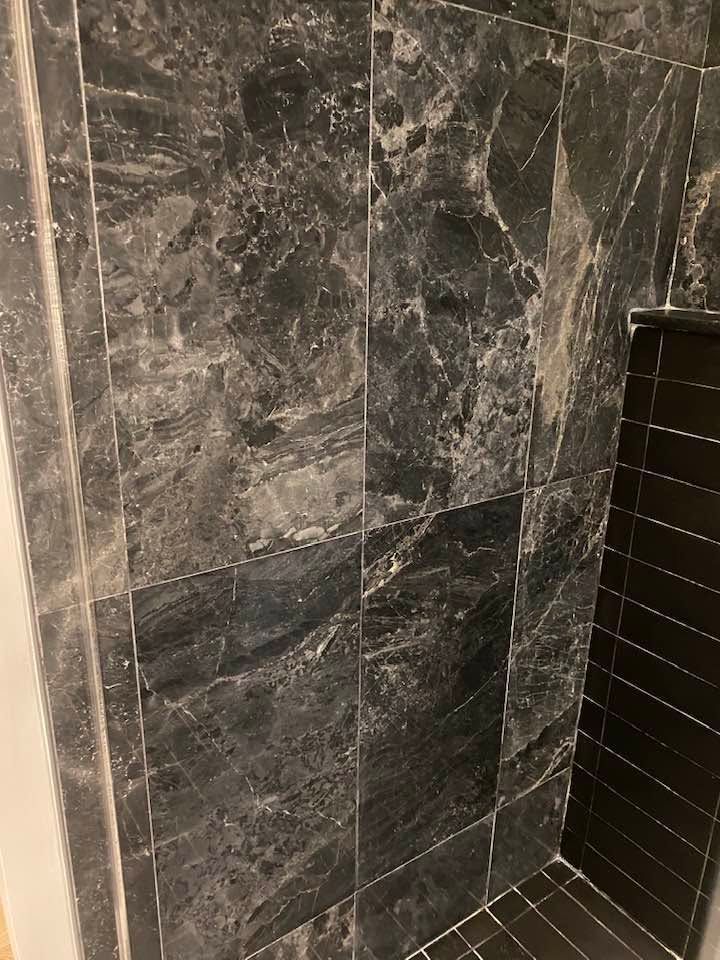
L P Restoration, LLC restores worn marble surfaces throughout Falls Church and Northern Virginia using diamond abrasive honing and custom polishing techniques. Marble develops visible damage from everyday use—etching from acidic substances like lemon juice or vinegar, deep scratches from grit dragged across floors, and dullness where the polished surface has worn away. The restoration process removes these imperfections mechanically rather than covering them, creating a smooth, uniform finish that reflects how the stone originally appeared.
Restoration begins with evaluating the depth of scratches and degree of surface wear to determine which abrasive grits are needed and whether lippage between uneven tiles requires leveling before polishing. Honing removes damaged surface layers, reducing height differences between tiles and eliminating the rough texture caused by etching or wear patterns.
Request an on-site evaluation to determine the most effective honing and polishing approach for your specific marble condition.
What Proper Marble Restoration Requires
Diamond abrasive honing uses progressively finer grits to remove scratches and level the surface before polishing begins. The process addresses damage that simple cleaning cannot fix—removing the top layer of stone where etching, staining, or wear has altered the marble's structure. Each grit level refines the surface further until it reaches the smoothness needed for the desired polish level.
After honing, you'll notice a uniform surface without the height differences between tiles, the rough feel of etched areas, or the visible scratches that caught light at certain angles. Polishing follows, ranging from high-gloss mirror finishes that reflect overhead lighting clearly to softer satin or matte appearances that reduce glare in bathrooms or entryways. Sealing follows polishing to reduce how quickly liquids penetrate the stone, which helps prevent new staining from spills that aren't wiped immediately.
The approach differs for floors versus countertops because floors accumulate grit that causes abrasive wear, while countertops face chemical etching from food acids and cleaning products. Both require honing to remove damage, but floors often need deeper scratch removal and countertops need careful attention to edges and areas around sinks where etching concentrates.
What Property Owners Usually Ask
Homeowners restoring marble in Falls Church often want to understand what the process involves and how results hold up in high-use areas.
What causes marble to lose its shine over time?
Foot traffic grinds dirt and grit into the polished surface, abrading it microscopically until the reflection dulls. Acids from spills etch the calcium carbonate structure chemically, leaving rough spots that scatter light instead of reflecting it smoothly.
How does honing differ from polishing?
Honing uses coarse diamond abrasives to remove scratches and level the surface by grinding away damaged stone, while polishing uses finer abrasives and compounds to refine that smooth surface into a reflective finish. You cannot polish over deep scratches without honing first because polishing only affects the top microscopic layer.
What finish options work best for kitchen countertops?
High-gloss finishes show etching and scratches more visibly but provide the classic marble appearance most homeowners expect. Satin finishes reduce glare and make minor etching less obvious in kitchens where acidic foods contact the surface regularly, though they still require sealing and careful maintenance.
How long does sealing protect marble surfaces in Northern Virginia?
Penetrating sealers reduce liquid absorption for six months to two years depending on surface use, exposure to cleaning products, and whether the marble experiences heavy traffic. Countertops near sinks and heavily used bathroom floors require more frequent resealing than decorative wall installations.
Can restoration remove hard water staining around shower fixtures?
Honing removes the mineral deposits and surface etching caused by hard water, but recurring staining will return unless water is wiped from surfaces regularly or a water softener reduces mineral content. Sealing slows absorption but does not prevent surface deposits from forming on top of the stone.
Whether you need stone restoration, hardwood refinishing, cabinet renewal, or painting services for your Northern Virginia home or business, we're ready to provide guidance and skilled workmanship. Reach out to schedule a consultation and receive a detailed assessment of your project.