Walls Prepared Correctly Before Any Paint
Interior Painting & Wall Prep in Falls Church for rooms needing surface repairs and updated color
Visible nail holes, hairline cracks along seams, uneven textures from previous repairs, and outdated wall colors diminish the appearance of interior spaces even when the underlying structure remains sound. Proper preparation determines whether new paint adheres evenly and lasts, requiring patching, sanding, caulking, and priming before any finish coat touches the wall. L P Restoration, LLC completes thorough wall prep and interior painting in Falls Church, addressing surface imperfections that prevent smooth, professional results.
Preparation includes filling holes and cracks with appropriate compounds, sanding repaired areas flush with surrounding surfaces, caulking gaps where trim meets walls or ceilings, and applying primer that seals patches and creates uniform absorption. Premium low-VOC paints are then applied with techniques that avoid lap marks, roller stipple, or brush lines, producing consistent color and sheen across each surface.
Request a detailed estimate based on your room dimensions and current wall condition.
What Happens During Professional Wall Preparation
Each project begins with surface evaluation to identify repairs needed before painting begins. Drywall compound fills nail holes and minor dings, while larger damaged areas may require mesh tape and multi-layer patching to restore smooth surfaces. Sanding follows each repair to eliminate ridges, and caulking seals gaps that would otherwise show as shadow lines after paint dries. Primer is applied to patched areas and sometimes entire surfaces depending on color change intensity and existing wall condition.
Once painting is complete, rooms show even color without visible patches, trim lines appear crisp where tape was carefully applied and removed, and surfaces resist scuffs better than previous coatings. Ceilings no longer show roller marks or uneven coverage, and woodwork displays smooth finishes without drips or buildup in corners. The protective quality of the paint helps walls withstand cleaning and everyday contact without premature wear.
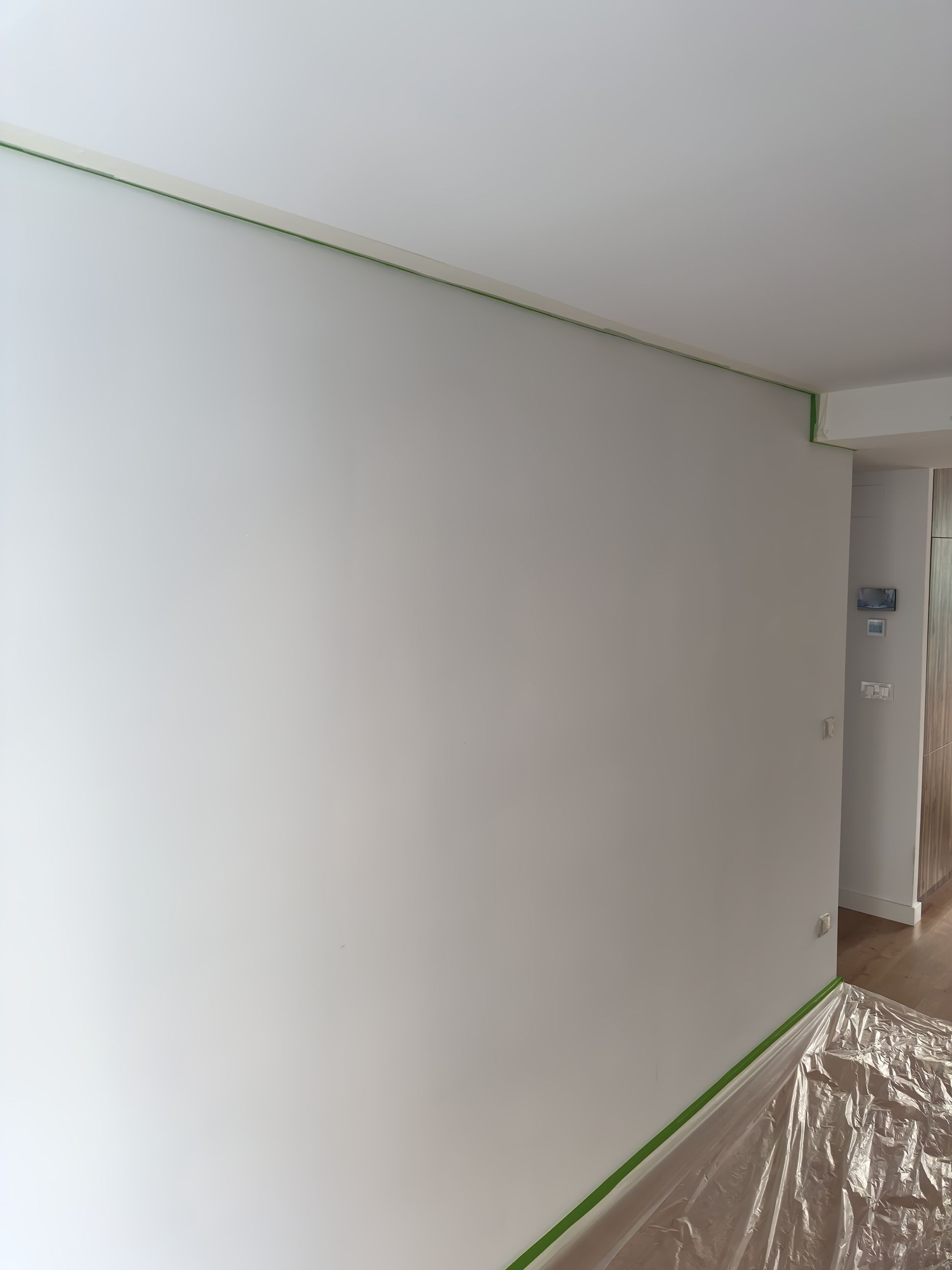
Projects include furniture and flooring protection using drop cloths and plastic sheeting, careful masking of areas not being painted, and cleanup that removes all prep debris and paint materials. Color consultation is available to help select shades that work with existing furnishings and lighting conditions, though final color decisions remain with the property owner.
Common Questions About Interior Painting Projects
Understanding what preparation involves and how paint selection affects results helps homeowners and businesses plan interior updates. These questions address practical concerns about the painting process.
Why does wall prep matter more than paint quality?
Even premium paint cannot hide unfilled holes, uneven patches, or gaps along trim, and it will peel prematurely from surfaces that were not cleaned or primed correctly. Preparation ensures paint adheres uniformly and that the final surface appears smooth under all lighting conditions, which determines whether the result looks professional or rushed.
What does low-VOC paint mean for indoor air quality?
Low-VOC paints emit fewer volatile organic compounds during application and curing, reducing odor intensity and improving indoor air conditions faster than traditional oil-based or high-solvent paints. Falls Church homes with limited ventilation or occupants sensitive to chemical smells benefit from these formulations, which still provide durable coverage and color retention.
How long does interior painting take for a typical room?
A single room with standard ceiling height, minimal trim, and moderate prep needs typically requires one to two days including drying time between coats. Larger spaces, extensive trim work, or rooms needing significant surface repairs extend the timeline, while smaller areas like bathrooms or hallways may be completed in less time.
What is included in surface protection during painting?
Drop cloths cover flooring in work areas, plastic sheeting protects furniture that cannot be moved, and painter's tape shields trim, outlets, and fixtures from paint contact. Northern Virginia homes with hardwood floors or delicate furnishings require extra care during setup to prevent accidental damage from ladders, paint spills, or equipment movement.
When should walls be repainted to maintain appearance?
High-traffic areas like hallways, kitchens, and children's rooms typically need repainting every three to five years due to scuff marks, hand contact, and general wear. Less-used spaces such as formal dining rooms or guest bedrooms may last seven to ten years before color fading or surface dulling becomes noticeable.
L P Restoration, LLC applies consistent techniques across residential and commercial properties, delivering clean finishes that improve visual appeal and surface protection. Schedule a consultation to review your painting project and discuss color and finish options.