Surfaces Protected From Seasonal Weather Damage
Exterior Painting & Surface Protection in Falls Church for faded siding and peeling trim exposed to moisture
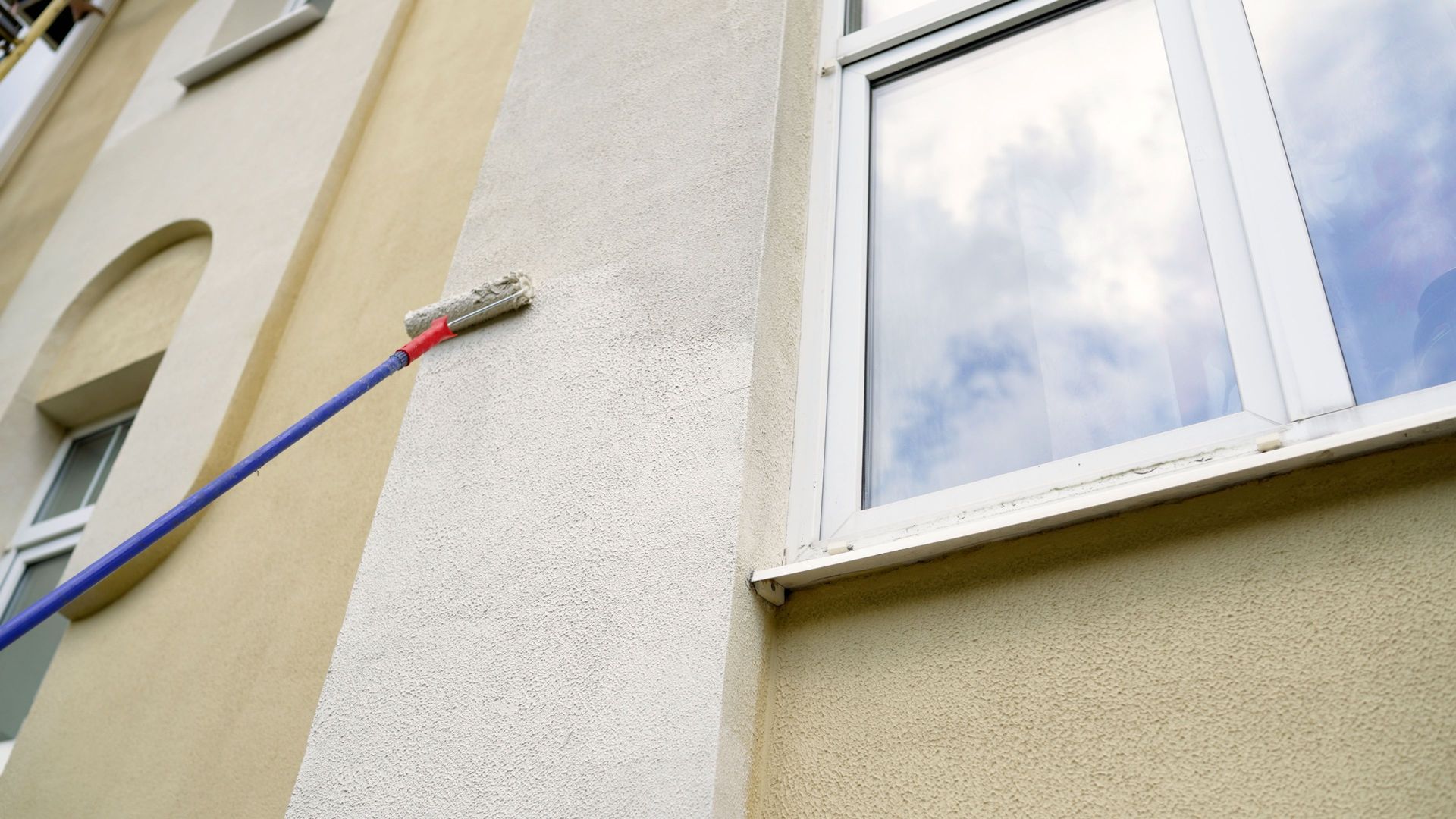
Northern Virginia's humidity, temperature swings, and seasonal precipitation cause exterior paint to fade, crack, and peel, exposing wood siding and trim to moisture penetration that accelerates rot and structural damage. L P Restoration, LLC prepares and paints exterior surfaces in Falls Church using weather-resistant coatings designed to withstand UV exposure and moisture common to the region. Proper preparation including power washing, scraping, sanding, and caulking ensures paint adheres correctly and performs as intended for years rather than failing within a single season.
The process addresses not only color but surface protection, sealing gaps where water infiltrates behind siding or trim and guarding wood against the expansion and contraction cycles that occur with temperature changes. Brick, stucco, fiber cement, and wood surfaces each require specific primers and paint formulations to bond correctly and resist moisture differently, so material identification determines product selection before any coating is applied.
Schedule an on-site assessment to review your exterior surfaces and discuss coating options.
What Proper Exterior Preparation Accomplishes
Preparation begins with power washing to remove dirt, mildew, and loose paint that would prevent new coatings from adhering. Loose or peeling paint is scraped away, and edges are sanded to create smooth transitions between bare and painted areas. Caulking seals joints where trim meets siding, around window frames, and along fascia boards, preventing water from reaching the wood behind the paint. Minor wood repairs replace rotted sections that would fail even with new paint, and primer is applied to bare wood and patched areas before finish coats.
After painting, exterior surfaces display even color without visible brush marks or roller texture, and trim shows crisp lines where careful masking prevented paint overlap onto adjacent materials. Properly sealed joints no longer allow water to seep behind siding during rainstorms, and the coating resists fading from sunlight exposure better than aged paint that has lost its protective additives. Homes gain improved curb appeal while the paint layer guards underlying materials against moisture damage that would otherwise require costly repairs.
Weather-resistant coatings include UV inhibitors that slow color fading and mildewcides that reduce fungal growth in shaded or damp areas. These formulations perform differently than interior paints, remaining flexible as surfaces expand and contract with temperature changes rather than cracking under stress. The durability of exterior paint depends on surface preparation quality as much as product selection, since even premium coatings peel from improperly cleaned or primed surfaces.
Common Exterior Painting Questions
Homeowners planning exterior updates often have questions about timing, materials, and what the process involves. These answers provide clarity on typical concerns and regional considerations.
Why does exterior paint fail faster in Northern Virginia than drier climates?
Humidity and seasonal moisture accelerate paint degradation by allowing water to penetrate small cracks and lifting paint away from the surface as it expands and contracts. Falls Church properties face high summer humidity, winter freeze-thaw cycles, and spring rain that all stress exterior coatings more than arid regions where surfaces stay dry year-round.
What surfaces can be painted besides siding?
Exterior painting includes trim, fascia boards, soffits, doors, shutters, porch railings, fences, and any other exposed wood or prepared surfaces. Brick can be painted with masonry-specific primers and paints, though this changes maintenance requirements permanently since brick paint must be refreshed rather than simply cleaned.
How does power washing prepare surfaces for painting?
High-pressure water removes accumulated dirt, mold, mildew, and loose paint that would prevent new coatings from bonding. Northern Virginia homes in shaded areas or near tree cover often show green or black organic growth that must be eliminated before painting, as mildew will grow through new paint if not properly cleaned beforehand.
When is the best time to paint exteriors in this region?
Spring and fall offer moderate temperatures and lower humidity that help paint cure correctly, while summer heat can cause coatings to dry too quickly and winter cold prevents proper adhesion. Scheduling exterior painting during dry weather windows ensures coatings cure without rain interference, which is critical during the first 24 to 48 hours after application.
What determines how long exterior paint lasts before repainting?
Surface exposure to direct sunlight, prevailing weather patterns, paint quality, and preparation thoroughness all affect longevity. South and west-facing walls typically fade faster due to UV exposure, while north-facing surfaces may develop mildew sooner in shaded, damp conditions, meaning different sides of the same house can age at different rates.
L P Restoration, LLC completes residential and commercial exterior painting with careful surface preparation and weather-resistant products that protect against regional climate conditions. Contact us to schedule a property evaluation and discuss coating options for your exterior surfaces.