Surfaces Designed for Daily Kitchen Use
Granite Restoration & Sealing in Falls Church for chipped edges, scratched countertops, and hard water staining
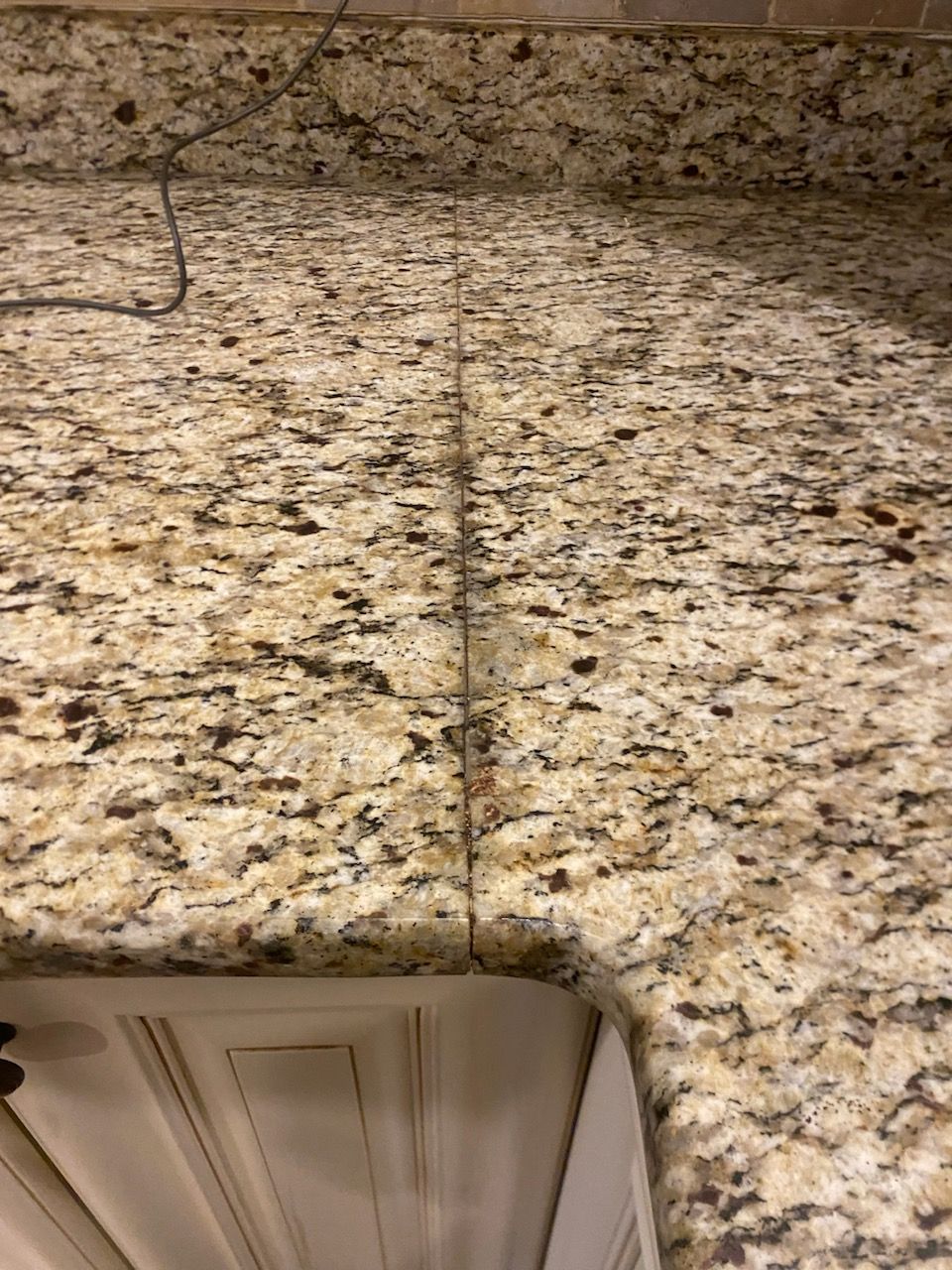
Granite countertops develop visible damage despite their durability—chipped edges where heavy pots impact corners, scratches from knives dragged across unsealed surfaces, and hard water deposits that etch the finish near sinks. L P Restoration, LLC addresses these problems throughout Falls Church using mechanical honing and polishing techniques that restore the stone's appearance without replacement. The process involves repairing structural damage first, then refinishing the surface to match the original factory polish or a custom finish based on how the countertop will be used.
Restoration evaluates whether scratches penetrate only the sealer and polish or extend into the stone itself, which determines the abrasive grit needed to remove them. Minor cracks and chips receive color-matched filling before honing begins, ensuring repairs blend with the surrounding stone once polished.
Arrange a property visit to assess edge damage, surface wear, and staining severity before planning your granite restoration.
How Granite Restoration Addresses Surface Damage
Mechanical honing removes the damaged top layer of granite where scratches, stains, and worn finish have accumulated, using progressively finer diamond abrasives until the surface reaches uniform smoothness. The depth of honing depends on how deeply scratches penetrate—surface scratches require only light honing, while gouges from dropped cookware need more aggressive removal. Hard water staining often etches the sealer and stone surface, requiring honing to remove the affected layer before resealing prevents recurrence.
After restoration, the granite surface reflects light uniformly without the dull patches where finish wore away, and edges appear smooth without the rough texture of chips or the visible lines of filled cracks. Premium penetrating sealers then fill the microscopic pores in the stone, reducing how quickly liquids absorb and helping prevent oil-based stains from cooking or cosmetic products. Sealing does not make granite stain-proof but extends the time you have to wipe spills before they penetrate deeply enough to require professional stain removal.
Restoration does not change granite's color or pattern but does affect its reflectivity. Polished finishes produce the high-gloss appearance typical of new installations, while honed finishes provide a matte surface that hides fingerprints and water spots more effectively in heavily used kitchens. The stone's natural characteristics remain visible regardless of finish choice.
Answers to Frequent Service Questions
Granite restoration raises questions about repair durability and how maintenance requirements change after sealing.
What types of damage can be repaired without replacing granite?
Chipped edges up to a quarter-inch, surface scratches that do not penetrate more than a few millimeters, minor cracks that do not affect structural integrity, and hard water etching all respond to professional restoration. Large cracks, heat damage that causes discoloration deep in the stone, and severe impact damage that fractures the slab typically require replacement.
How does sealing reduce staining in kitchen countertops?
Penetrating sealers fill the pores in granite's crystalline structure, slowing how quickly liquids absorb into the stone. Oil, wine, and acidic substances still penetrate if left on the surface for extended periods, but sealing increases the time you have to wipe spills from minutes to hours depending on the sealer quality and granite porosity.
Why does granite near sinks develop dull spots over time?
Water evaporates and leaves behind mineral deposits that etch the polished surface, particularly in Northern Virginia where hard water is common. Repeated exposure to these deposits combined with abrasive cleaning wears away the polish faster than areas that stay dry, creating visible dull patches that require honing and repolishing to restore.
How long does restored granite maintain its appearance?
Polished finishes last years in low-traffic areas like bathroom vanities but may dull within months on heavily used kitchen islands where food preparation introduces abrasive particles. Sealing longevity depends on countertop use—surfaces near cooktops and sinks require annual resealing, while decorative installations may hold sealer for two years or longer.
Can restoration match the original factory finish exactly?
Professional polishing replicates the reflectivity and smoothness of factory finishes, though slight color variations may appear in repaired chips or filled cracks depending on how well the filler matches the granite's natural pattern. Most repairs become nearly invisible once polished, particularly in granite with complex or dark coloring.
L P Restoration, LLC customizes granite restoration based on the stone's condition, finish preference, and how the surface will be used after sealing. Contact us to review repair options and sealing products appropriate for your specific granite installation.